Project
Uncovering what makes the small, everyday green spaces around us — alleys, pocket parks, and connecting paths — truly work for the people who use them.
What is CHESS about?
Think about the small spaces near where you live — the alley behind your building, the pocket park on the corner, the path that cuts between two streets. They're easy to overlook. But they're also where a lot of everyday life actually happens: where kids play after school, where neighbours run into each other, where someone feels safe (or doesn't) walking home after dark.
We want to understand what actually makes these spaces work: what design choices help, what maintenance and care they need, and how they can be made genuinely welcoming to everyone who might use them.
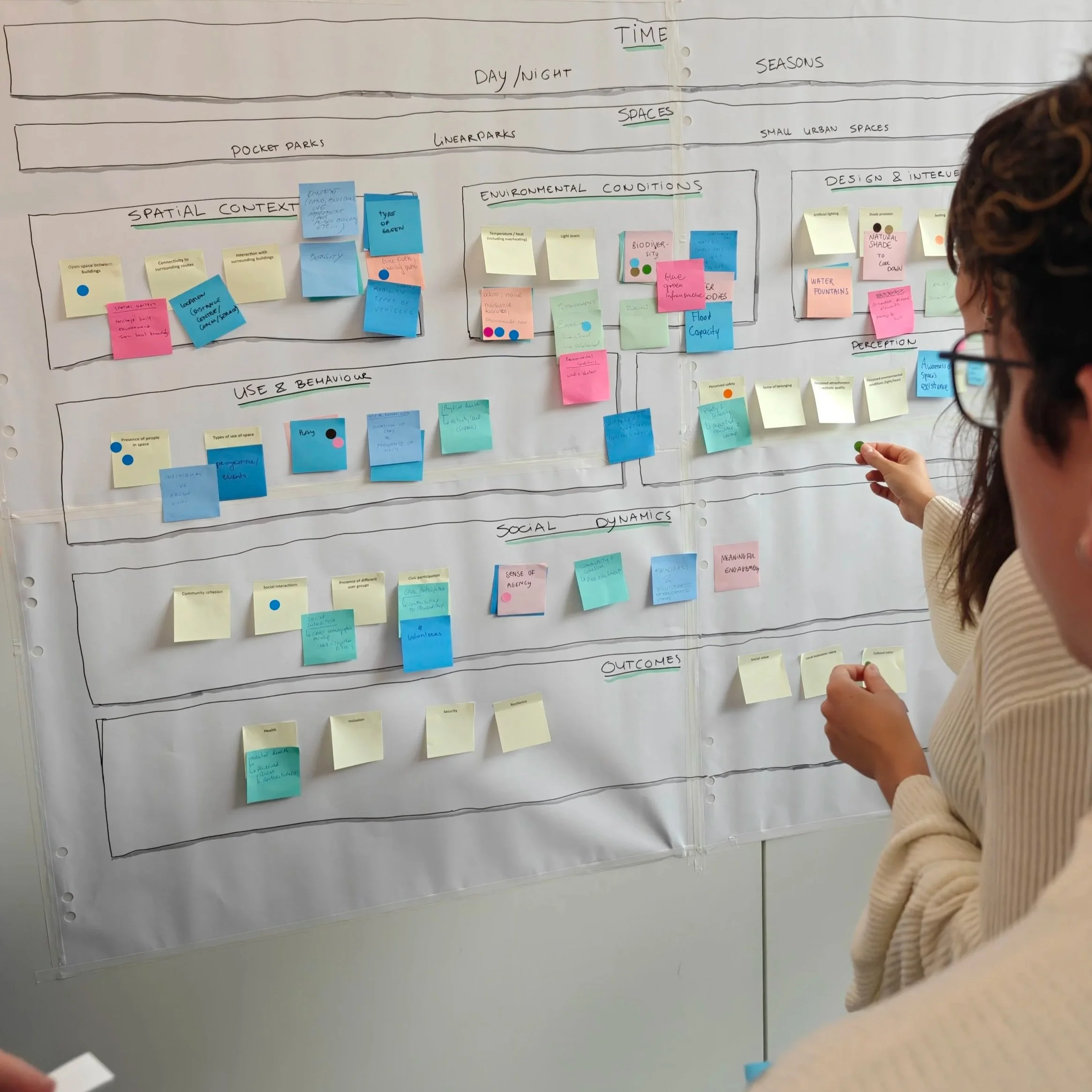
CHESS combines several ways of gathering evidence:
We study existing spaces across Europe to understand what's already been tried and what we can learn from it.
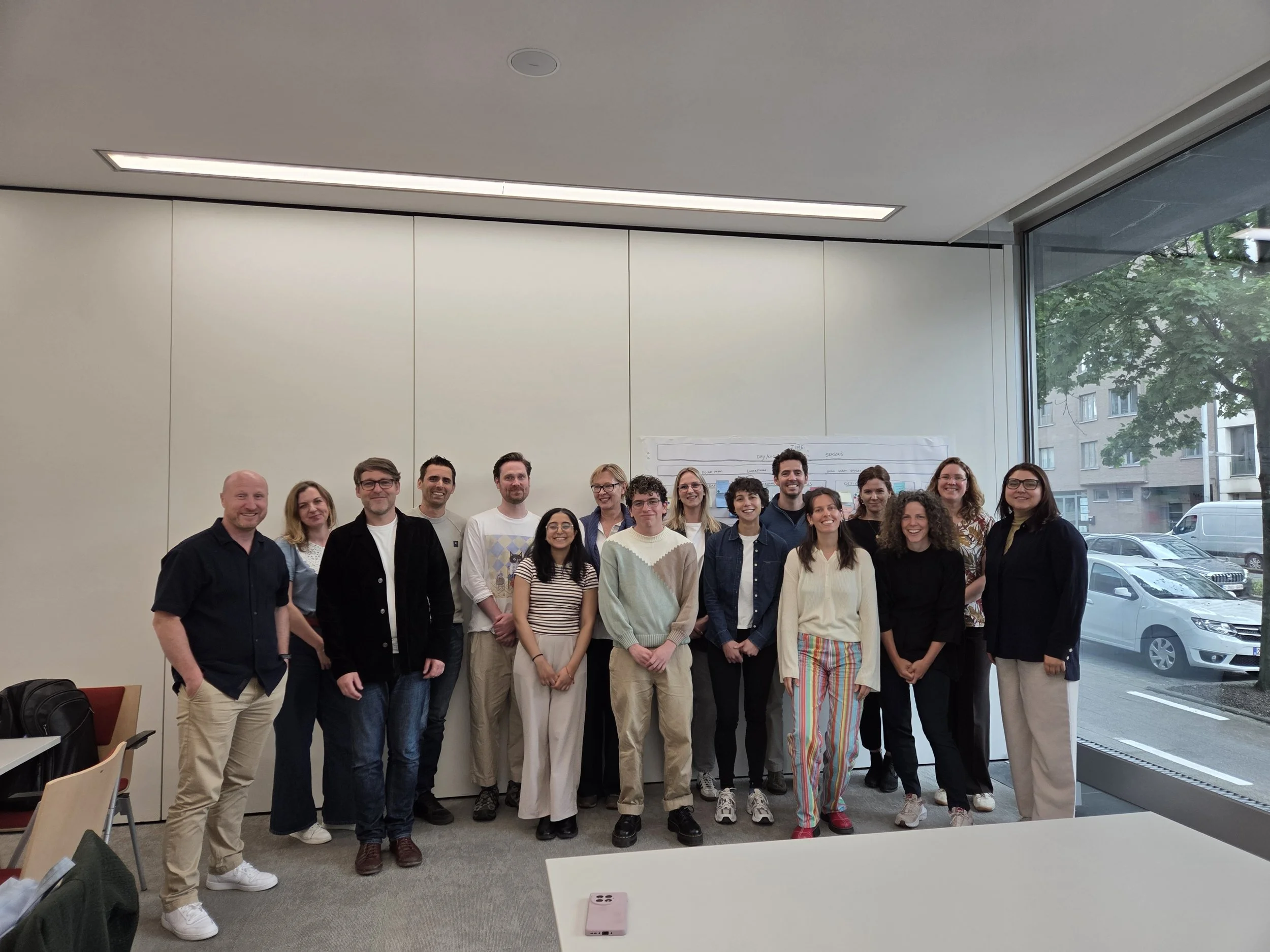
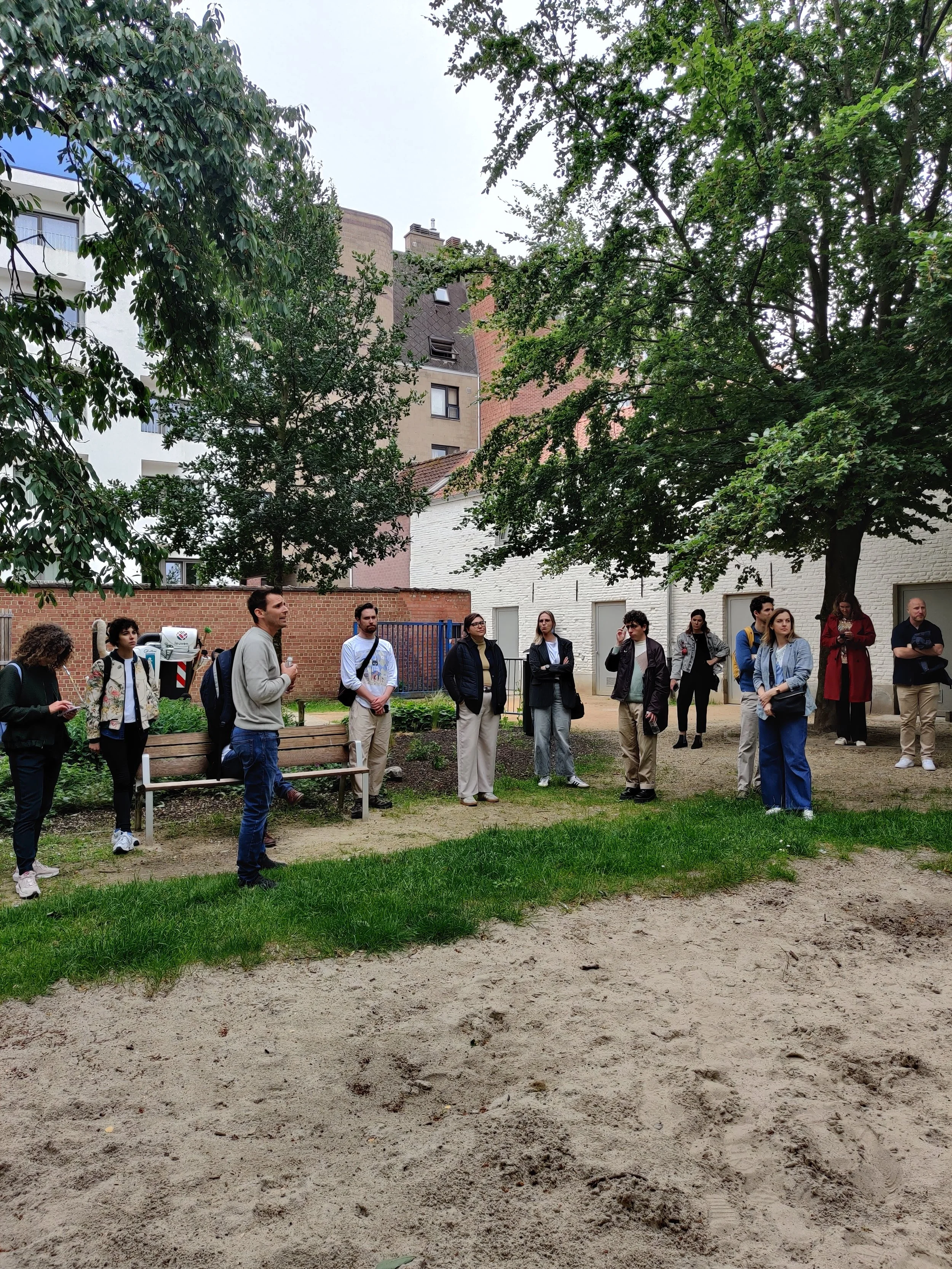
We send research teams on missions: short, focused visits to cities to observe how people actually use local spaces across different seasons and times of day.
We run pilots in three cities — Zagreb, Leuven, and Dublin — where we go a step further: working directly with residents and local organisations to test real changes in real spaces, and tracking what happens over time.
We use all of this evidence to build tools, including computer models that can simulate how a space might be used in the future, under conditions like a changing climate or an ageing population.
Everything CHESS learns — the data, tools, and recommendations — will be shared openly, so other cities across Europe can use it too. Because the goal goes beyond just better parks in three pilot cities. It's a better understanding, for everyone, of what makes a shared space truly work.
-
CHESS integrates social sciences and humanities with architecture, urban design, engineering, arts, and public health.
-
CHESS tests its evidence directly in pilot cities and real common spaces. Its findings are proven in practice, not left on paper.
-
CHESS co-designs with residents, municipalities, and local organisations how to address challenges, reverse degradation, and make spaces more inclusive, beautiful, and sustainable.
Consortium
CHESS brings together 12 partners across 6 countries — a deliberately transdisciplinary mix spanning research, urban design, public health, social science, regional networks, and three municipal administrations.








Th!nk E
BelgiumTh!nk E combines technological, social, and policy expertise to turn complex challenges into practical solutions developed with communities and public authorities.
As the coordinator of CHESS, the Th!nk E team keeps the project’s research, pilot activities, stakeholder engagement, and results working towards the same goal. The team also leads the project’s societal readiness work, bringing different voices into the research process and making sure that practical needs and concerns are considered as the project develops. Alongside project coordination, Th!nk E helps translate CHESS findings into accessible visual materials, tools, and resources for cities and communities.
National Research Council of Italy
ItalyThe National Research Council of Italy participates in CHESS through the Institute of Cognitive Sciences and Technologies and its Laboratory of Agent-Based Social Simulation.
Researchers from the laboratory study how individual decisions, social behaviour, and the characteristics of a place interact over time. Within CHESS, the team is developing an agent-based model that can simulate how different people might move through, use, and respond to common spaces under changing conditions. The researchers will also transform the advanced model into a simpler “what-if” tool, allowing cities and non-specialist users to explore the possible effects of different design and management choices.
Posad Maxwan
NetherlandsPosadMaxwan is an urban design and planning office that combines strategy, design, and research to create sustainable, healthy, and inclusive environments.
Within CHESS, PosadMaxwan turns research findings into choices that cities can apply in practice. The team leads the development of guidance on selecting participatory processes, governance models, and measures for different types of common spaces. PosadMaxwan also leads the project’s capacity-building work, bringing CHESS knowledge together in case studies, training materials, and practical tools for urban planners, municipalities, and local practitioners.
iVOX
BelgiumiVOX specialises in quantitative and qualitative research, combining surveys, interviews, focus groups, online discussions, and observational methods to understand what different groups of people think and experience.
The iVOX team helps CHESS ensure that the evidence collected reflects the diversity of people who use—or do not use—common spaces. Researchers support the development of inclusive research methods, conduct surveys and field research across European cases and pilot cities, and help reach groups whose experiences are often underrepresented. Their work allows CHESS to examine how age, background, ability, and other factors shape people’s use and perception of everyday spaces.
University College Dublin
IrelandUniversity College Dublin participates in CHESS through its Architecture, Planning and Environmental Policy team, bringing together architectural research, spatial planning, environmental policy, and practice-based learning.
UCD researchers lead the collection and assessment of evidence from common spaces across Europe. The team coordinates desktop case studies, field Missions, seasonal revisits, and pilot activities, observing how spaces are used at different times and under different conditions. Working directly with residents, students, municipalities, and local organisations, UCD also tests participatory approaches and real changes in the three pilot cities, connecting research with what happens on the ground.
Erasmus MC
NetherlandsErasmus MC is a university medical centre whose Department of Public Health studies how social, environmental, and spatial conditions affect population health and well-being.
The Erasmus MC team leads the development of the CHESS research and assessment framework. The framework connects questions about the design and management of common spaces with indicators such as health, social interaction, inclusion, belonging, comfort, and perceived safety. Researchers also lead the assessment of evidence collected across European cases and pilot cities, helping CHESS understand what works, for whom, and under which conditions.
University of Warmia and Mazury in Olsztyn
PolandThe University of Warmia and Mazury in Olsztyn brings expertise in spatial planning, urban studies, and the social dimensions of how places function, feel, and are used.
Within CHESS, the university team leads the practical validation of the project’s methods and tools. Researchers bring together evidence and feedback from pilot cities to assess the modelling tools and the guidance developed for inclusive planning and co-creation. This work helps turn CHESS findings into reliable and transferable recommendations that respond to the realities faced by European cities.
A Playful City
IrelandA Playful City uses creative placemaking, play, and participatory design to help communities reimagine the spaces around them. The team pays particular attention to children, young people, families, and other groups who are not always heard in conventional planning processes.
Within CHESS, A Playful City helps make community engagement more welcoming, creative, and accessible. The team contributes to research on existing spaces, supports co-creation in the pilot cities, and develops ways for people to express what they need from their neighbourhoods. Their experience will also feed into inspiring case studies and practical learning materials for cities.
North-West Croatia Regional Energy and Climate Agency
CroatiaThe North-West Croatia Regional Energy and Climate Agency—REGEA works with cities, regions, and European networks to support sustainable, climate-resilient, and people-centred development.
REGEA leads communication, dissemination, and exploitation in CHESS, coordinating how project activities, findings, tools, and recommendations are shared with residents, practitioners, researchers, policymakers, and other cities. The REGEA team also contributes climate and economic perspectives to the project’s research framework and supports evidence collection in Zagreb. Through established European networks, REGEA connects CHESS results with organisations that can apply and replicate them beyond the pilot cities.
City of Leuven
BelgiumThe City of Leuven brings extensive experience in citizen participation, neighbourhood initiatives, climate action, and the co-creation of greener and more inclusive public spaces.
As one of the three CHESS pilot cities, Leuven offers real common spaces where the project can collect evidence, work with local communities, and test possible changes. The city team connects CHESS researchers with residents, local organisations, municipal departments, and existing datasets. Leuven will also help assess whether the methods and tools developed through CHESS are useful in everyday municipal practice and how they could support future planning and neighbourhood work.
Institute for Physical Planning of the City of Zagreb
CroatiaThe Institute for Physical Planning of the City of Zagreb prepares spatial plans, urban studies, and planning tools that guide the long-term development and renewal of Zagreb.
The Institute leads the Zagreb pilot, which focuses on inner courtyards and other common spaces within the city’s historic urban blocks. The Zagreb team brings local planning knowledge, spatial data, access to relevant sites, and direct connections with urban policy and municipal processes. By working with residents and other local stakeholders, the team will explore how overlooked common spaces can become more accessible, welcoming, climate-resilient, and useful in everyday life.
Dún Laoghaire–Rathdown County Council
IrelandDún Laoghaire–Rathdown County Council is responsible for local planning, public spaces, mobility, community development, climate action, and a wide range of public services across the county.
As a CHESS pilot authority, the Council opens access to local sites, knowledge, data, communities, and organisations. The local pilot examines a suburban chain of connected green, play, and movement spaces. Working with residents and CHESS partners, the Council team will test how design, care, accessibility, and participation can help these spaces work better together—and how successful approaches could become part of regular municipal practice.
Diverse backgrounds, aligned in purpose.